Human Interest Design Leadership
- Founding Designer & Design Lead (me) Brand strategy, product design, system architecture
- External Agency Named the company (Human Interest)
- Contract Engineering Team Directed implementation of design system
From Startup to Growth Stage Through Design
When I joined Human Interest in 2017 as their founding designer, the company faced a critical challenge: competing in the enterprise 401(k) market dominated by established players like Fidelity and Vanguard. The startup had strong technical foundations but lacked the design maturity needed to win enterprise clients and scale operations.
Over 2.5 years, I led a comprehensive design transformation that touched every aspect of the company—from brand identity to product interfaces to the underlying design infrastructure. This case study documents that journey: how strategic design leadership helped transform Human Interest from an unknown startup into a recognized fintech leader.
Chapter 1: Establishing the Foundation Through Brand
The transformation began with a fundamental question: how could Human Interest differentiate itself in a market where trust and stability were paramount? Traditional 401(k) providers projected corporate gravitas through conservative design, but this approach wouldn’t help a startup stand out.
Strategic Brand Development
Through extensive market research and stakeholder interviews, I identified an opportunity: humanizing retirement planning. While competitors focused on institutional messaging, Human Interest could own the emotional territory of helping people achieve their retirement dreams.
The logo design process resulted in a mark that symbolizes an unfolding map—representing Human Interest’s role in guiding clients toward financial security. The negative space artfully integrates the letters “H” and “I”, creating a memorable icon that works across digital and physical applications.

Comprehensive Visual System
I developed a complete visual identity system that balanced approachability with financial credibility:
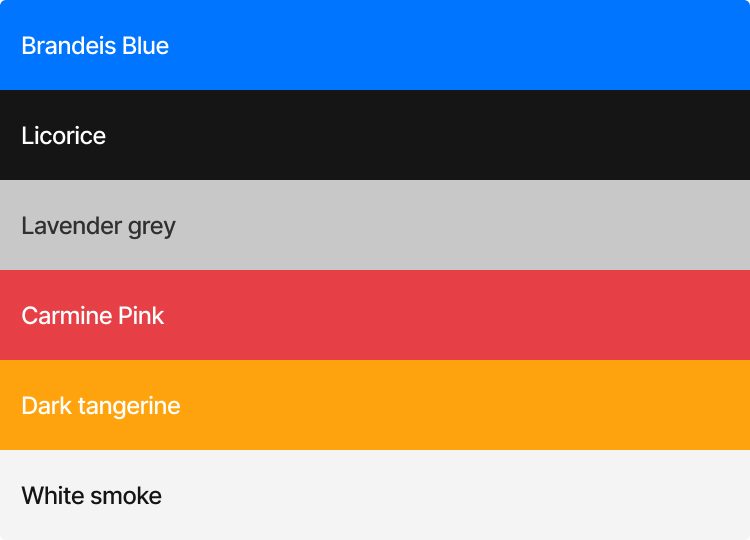
- Color palette: Bright accents against generous white space, adaptable for different user contexts
- Typography: Clean, modern system prioritizing legibility for financial data
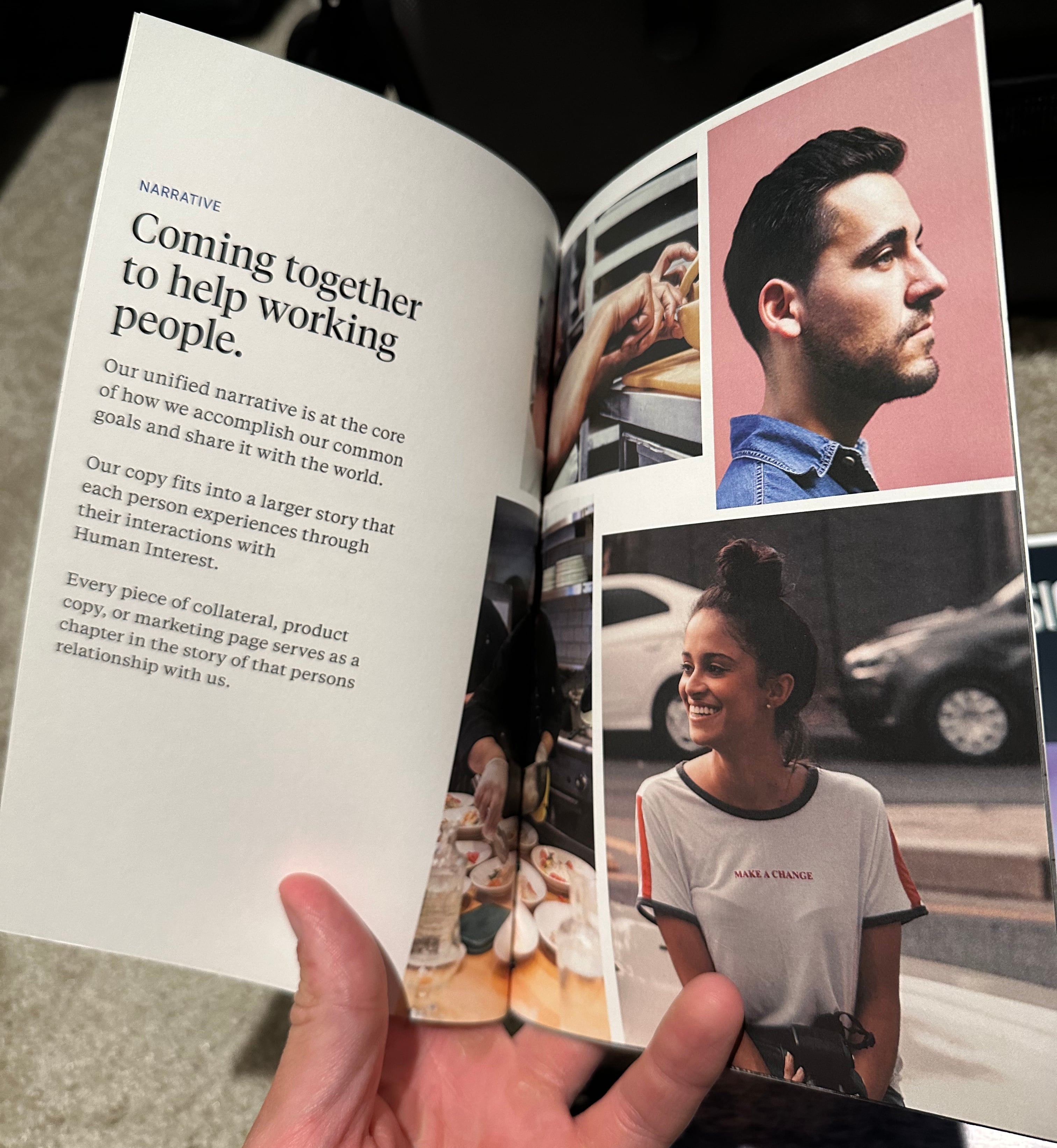
- Photography: Real people in authentic moments, avoiding corporate stock imagery
- Voice & tone: Conversational yet knowledgeable, making complex topics accessible
Environmental & Cultural Impact
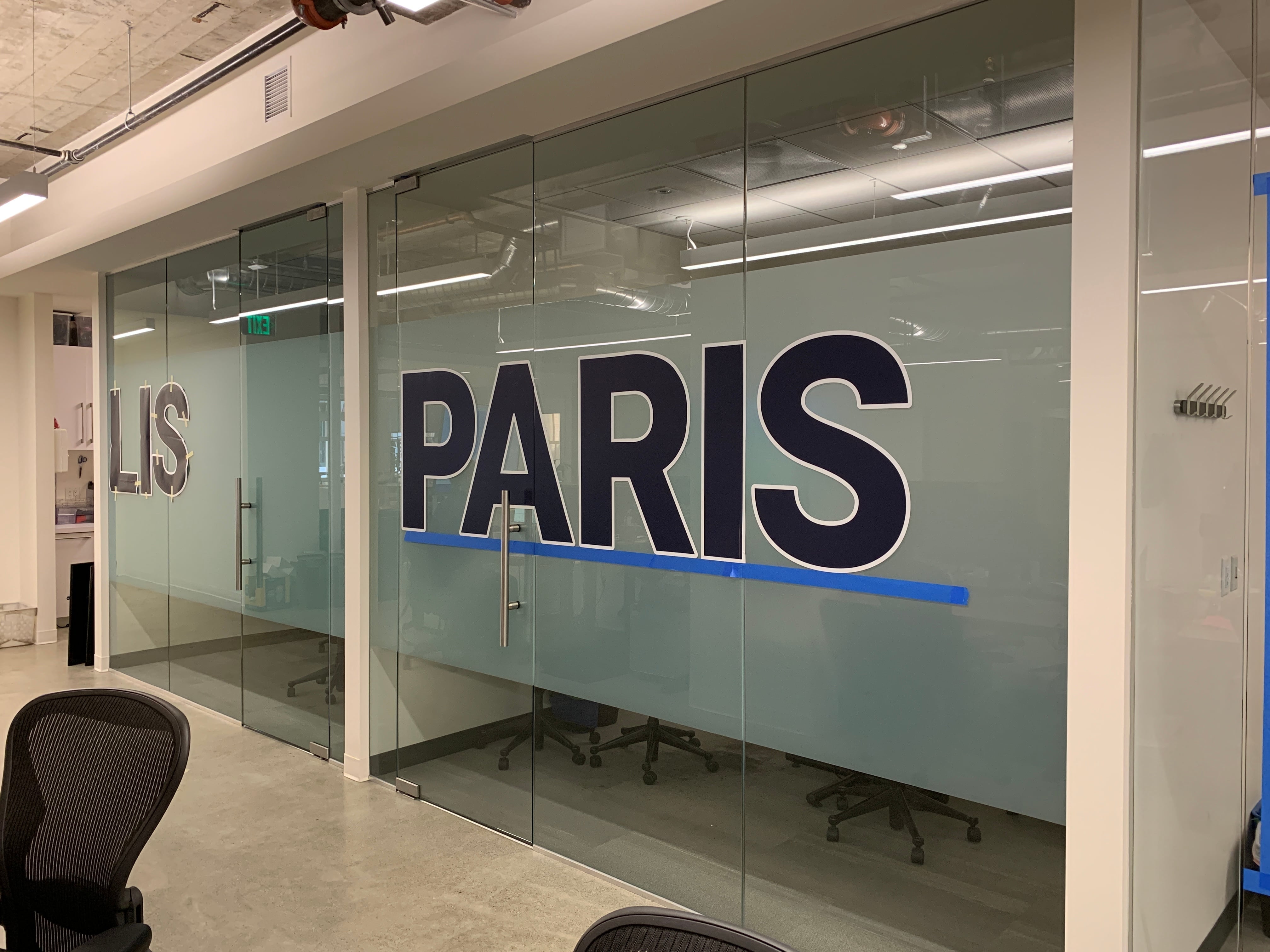
The rebrand extended beyond digital touchpoints into physical spaces. I designed retirement destination-themed conference rooms with precision-aligned typographic installations, creating memorable environments that reinforced brand values in every client interaction.
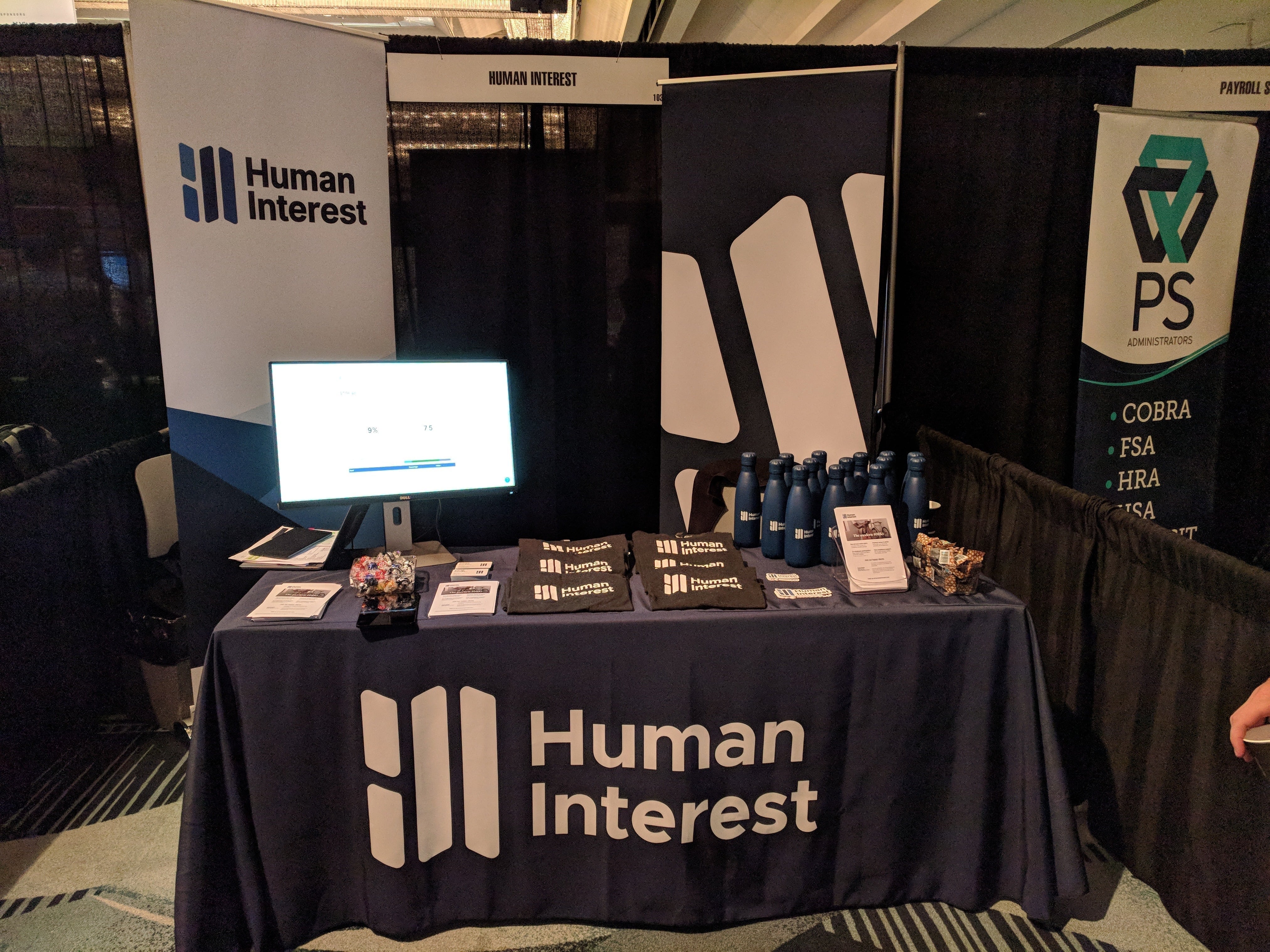
Trade show presence, branded apparel, and marketing collateral all reflected the new identity, creating a cohesive experience that helped Human Interest establish credibility in enterprise sales cycles.
Chapter 2: Reimagining the Product Experience
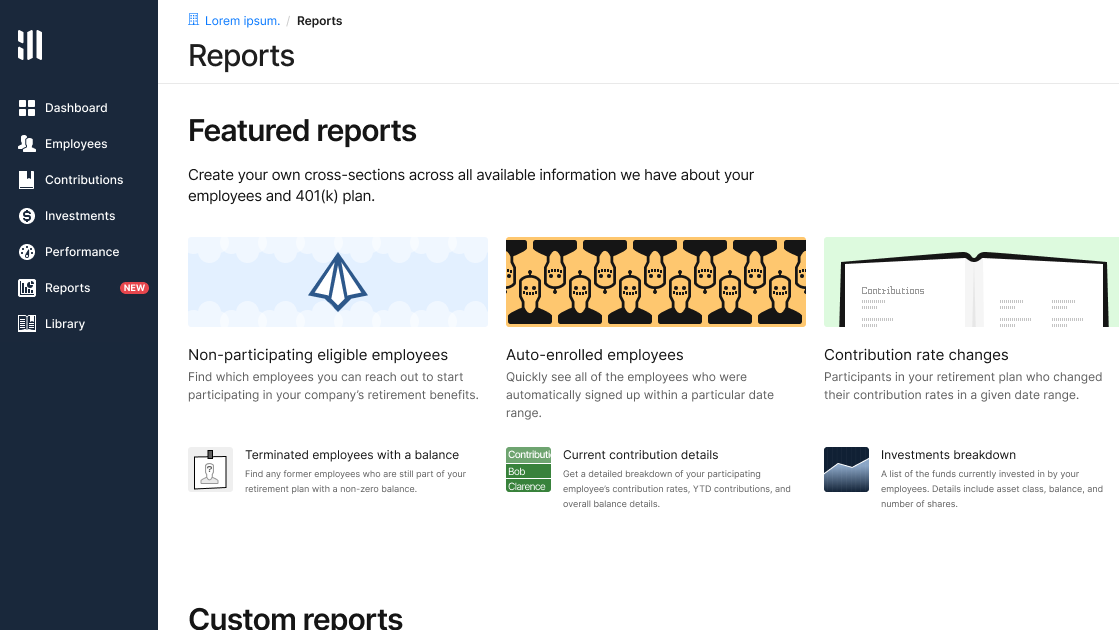
With brand foundations established, I turned to the core challenge: redesigning Human Interest’s 401(k) administration platform. The existing product suffered from fragmented experiences across three distinct user types, each with vastly different needs and sophistication levels.
Understanding the User Ecosystem
Through extensive research, I mapped three primary user personas:
- Employees: Seeking simple retirement guidance without financial jargon
- Plan Administrators: Needing sophisticated tools comparable to Bloomberg terminals
- Operations Teams: Requiring comprehensive dashboards for multi-client management
Each audience struggled with the existing interface for different reasons. Employees found it intimidating, administrators lacked necessary functionality, and operations teams couldn’t efficiently manage workflows.
The Fauxdal Innovation
The breakthrough came with the “fauxdal” pattern—a full-screen interface with centered modal and vertical progress indicator that transforms complex 401(k) paperwork into guided digital experiences. Similar to DocuSign’s document navigation, but without ever showing actual forms until completion when all answers are automatically populated.
This pattern solved critical user problems:
- Reduced form abandonment by 75% through progressive disclosure
- Ensured compliance without intimidating legal text walls
- Prevented errors through step-by-step validation
- Built user confidence with clear progress indicators
- Enabled conditional logic for personalized workflows
The fauxdal became our signature interaction pattern, essential for complex financial workflows where traditional forms would overwhelm users or create compliance risks.
Chapter 3: Scaling Through the Foreground Design System
By 2018, Human Interest was experiencing rapid growth. The rebrand had established market presence, and the redesigned products were winning enterprise clients. However, a new challenge emerged: scaling design across a growing engineering team while maintaining quality and consistency.
The Velocity Problem
Our technical debt was crushing development velocity:
- Over 50% of engineering time spent customizing components for each feature
- Inconsistent implementations creating support burden
- Design reviews becoming bottlenecks for every release
- Three different user experiences diverging without unified patterns
I recognized that sustainable growth required more than good design—it required design infrastructure.
Building Foreground
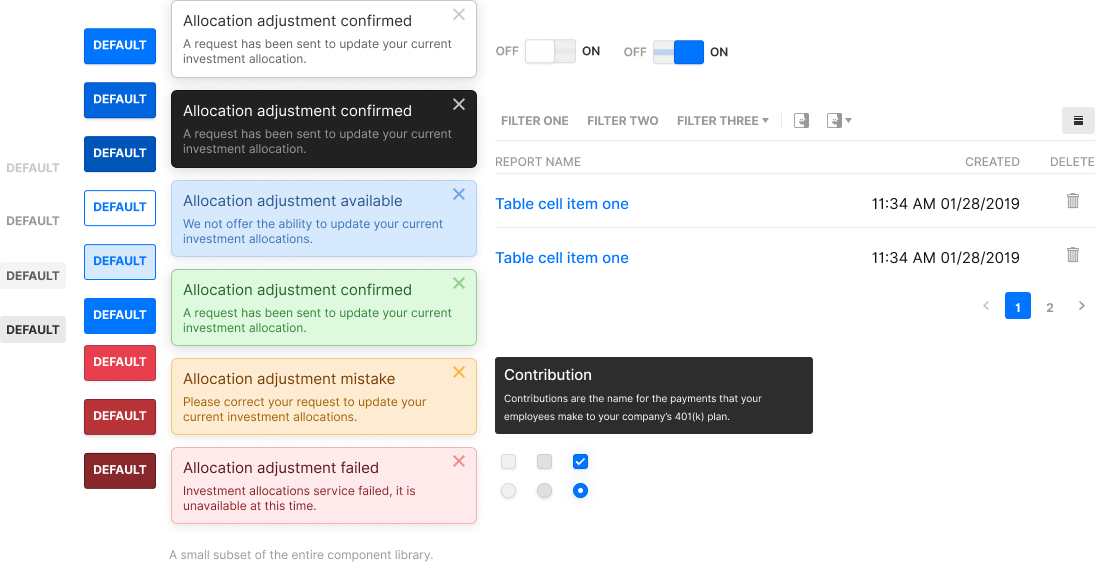
The Foreground design system wasn’t just a component library; it was a comprehensive solution for autonomous engineering implementation. Named to reflect bringing important elements to the forefront, it unified our entire product ecosystem.
Visual Foundation for Three Audiences
The system’s flexibility came from understanding that the same components needed different expressions:
For Employees: Maximum whitespace, friendly colors, simplified interactions
For Administrators: Balanced density, professional aesthetics, powerful functionality
For Operations: Bloomberg Terminal-style efficiency, data-dense layouts, keyboard navigation
Typography centered on Inter for its exceptional performance with financial data—critical for tables, special glyphs, and maintaining legibility across all contexts.

Custom Financial Iconography
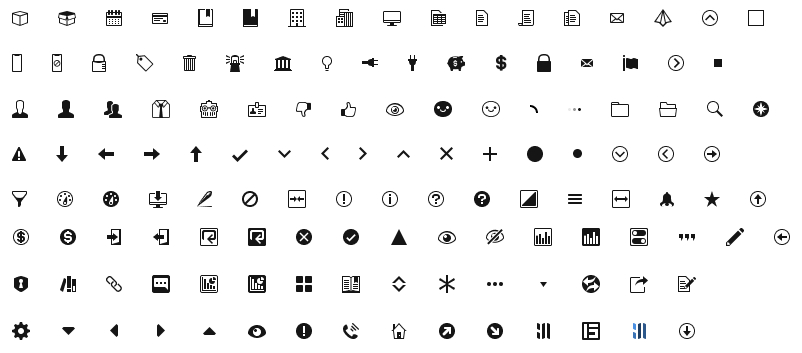
Standard icon libraries lack representations for 401(k) concepts, so I designed custom iconography for:
- Vesting schedules and cliffs
- Employer matching formulas
- Distribution types and penalties
- Compliance requirements and deadlines
These icons made complex financial concepts scannable and approachable, especially crucial for employee-facing interfaces.
Technical Architecture for Autonomy
The system used three abstraction levels:
- High-level components: Common patterns with built-in customization
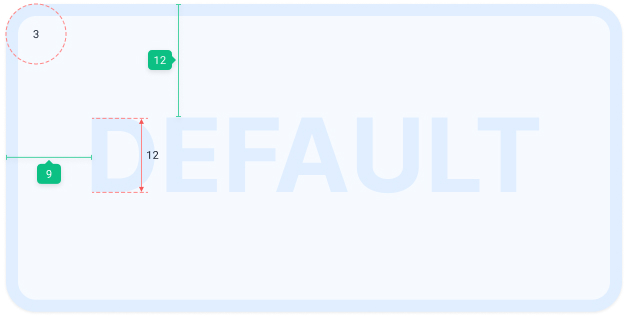
- Mixins: Complex styling rules simplified for reuse
- Design tokens: Centralized decisions for typography, color, and spacing
This enabled “eng design” tickets where engineers could implement features using established patterns without designer oversight. The architecture prevented inconsistent implementation while preserving necessary flexibility.
Measuring System Impact
The results validated the approach:
- 90% reduction in UI confusion support calls
- Engineering time on implementation dropped from 50% to 10%
- Feature velocity increased 3x with consistent quality
- Design team stayed lean despite company growth
Brand New - Under Consideration featured Foreground as an example of effective financial services design, recognizing how it balanced sophistication with accessibility.
Lasting Impact and Lessons Learned
This comprehensive design transformation—from brand to product to system—established Human Interest as a credible player in the enterprise 401(k) market. The company grew from startup to growth stage, eventually reaching unicorn status.
Key lessons from this journey:
Design leadership extends beyond pixels: Strategic thinking about brand, product, and infrastructure creates compounding value
Domain expertise matters: The fauxdal pattern and financial iconography succeeded because they solved specific 401(k) industry problems
Systems enable scale: Foreground allowed a solo designer to support an entire engineering organization
User diversity demands flexibility: One-size-fits-all doesn’t work when users range from first-time savers to financial professionals
The fauxdal pattern and custom financial iconography became company standards that continue enabling rapid feature development while maintaining quality across vastly different user sophistication levels. This work proved that in complex domains like financial services, thoughtful design leadership can transform not just products, but entire companies.